Simple Limbal Epithelial Transplantation
Used in limbal stem cell deficiency, replacing damaged corneal cells.
As a fellowship-trained Ocular Surface and Cornea Surgeon, Dr. Jayadatt Patel offers expert care in treating keratoconus, corneal infections, dystrophies, and ocular surface disorders
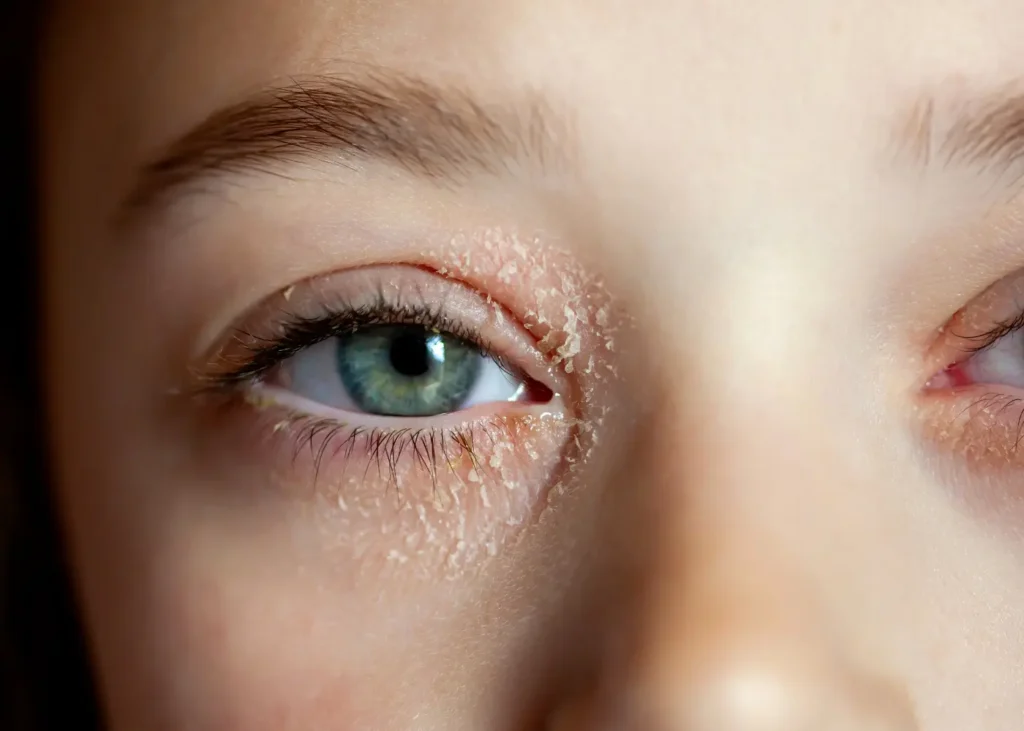
Ocular Surface Disease (OSD) is a collective term for conditions affecting the front surface of the eye, primarily the cornea and conjunctiva. These disorders can cause chronic discomfort, visual disturbances, and, in severe cases, corneal damage.
Several factors can contribute to cataract development, including:
A severe allergic reaction affects the skin and mucous membranes and causes extensive ocular damage.
Exposure to acids, alkalis, or toxic substances can cause corneal scarring and severe dry eye.
A rare autoimmune disease causing progressive conjunctival scarring and vision loss.
A spectrum of pre-cancerous and cancerous lesions affecting the ocular surface.
We provide the most benifical solution for yours eyes
Lubricating eye drops help maintain tear film stability.
Blocking tear drainage ducts helps retain moisture.
Warm compresses and lid scrubs help manage blepharitis.
Uses heat and massage to improve Meibomian gland function.
Used in limbal stem cell deficiency, replacing damaged corneal cells.
Harvests tissue from the oral or nasal mucosa to repair conjunctival defects.
Biologic tissue graft that promotes healing and reduces inflammation.

OSD is a chronic condition, but with proper treatment, symptoms can be managed effectively. Early diagnosis and consistent care can prevent complications.
Occasional dryness can be caused by environmental factors, but persistent symptoms such as irritation, burning, redness, and blurry vision may indicate OSD. An eye examination, including tear film analysis, can confirm the diagnosis.
Severe OSD, if left untreated, can lead to corneal damage, scarring, or infections, which may cause vision impairment. However, timely treatment can prevent serious complications.
Yes. Prolonged screen exposure reduces blink rate, leading to increased tear evaporation and worsening dry eye symptoms. Taking breaks and using lubricating drops can help.
A diet rich in omega-3 fatty acids (found in fish, flaxseeds, and walnuts) can help improve tear quality. Staying hydrated and avoiding excessive caffeine or alcohol also supports eye health.
Yes, OSD is more common in older adults, especially postmenopausal women due to hormonal changes. However, younger individuals with high screen exposure are also increasingly affected.
Yes, long-term use of contact lenses can disrupt the tear film and cause dryness. Daily disposable lenses or scleral lenses (for severe cases) may be better options for OSD patients.
Artificial tears provide temporary relief but do not treat the underlying cause. Patients with moderate to severe OSD may need advanced treatments like LipiFlow®, punctal occlusion, or prescription eye drops.
Evaporative Dry Eye: Caused by Meibomian gland dysfunction (MGD), leading to rapid tear evaporation.
Aqueous-Deficient Dry Eye: This is due to insufficient tear production from the lacrimal glands.
Maintain a humidified environment, follow proper eyelid hygiene, take regular screen breaks, use preservative-free artificial tears, and get regular eye check-ups.
Early detection and management can prevent complications.

Science City
Opening Hours
Monday-Saturday
Sunday-only appointments
Copyright © 2024 balajihorizoneyecare.com . All Rights Reserved.
Designed by EEG Technogeeks.